
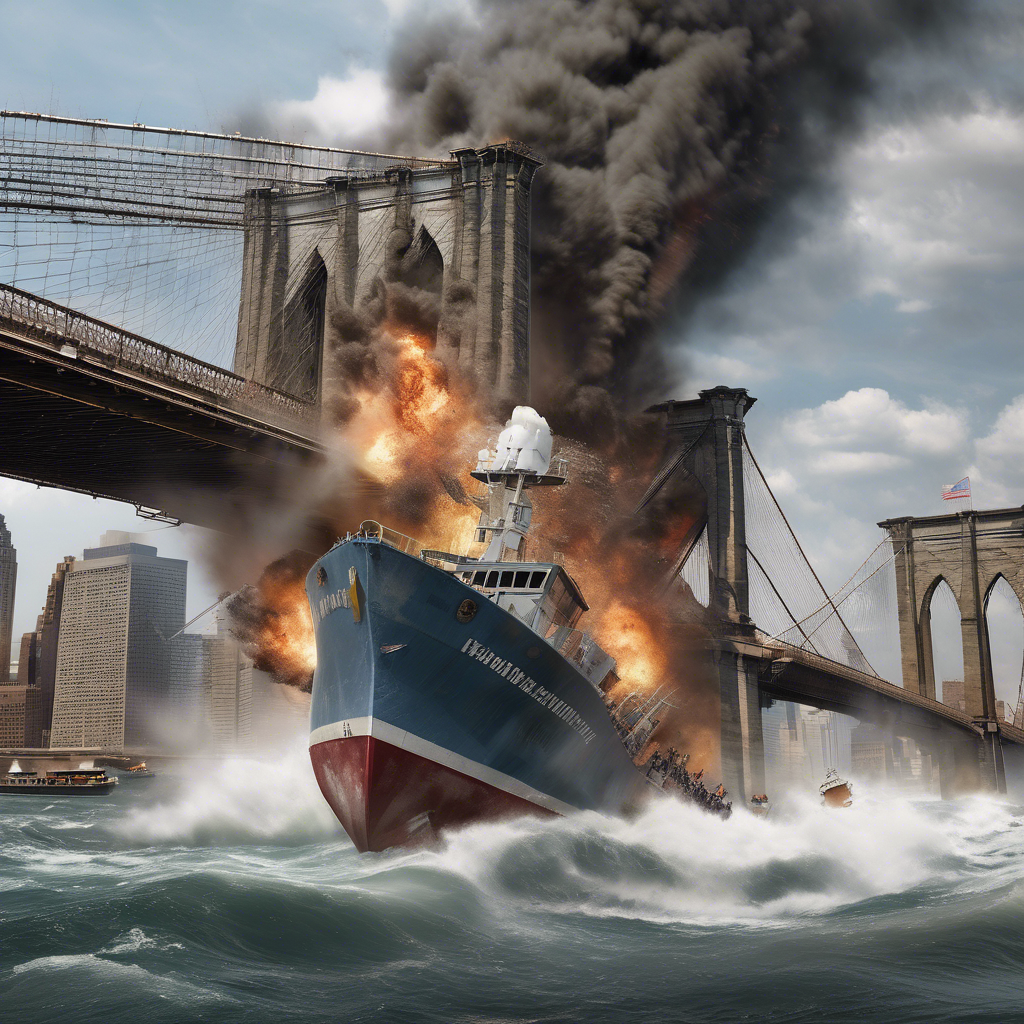

Tragedy on the East River: Mexican Navy Ship Collides with Brooklyn Bridge
A stunning sight turned tragic on Wednesday as a Mexican Navy ship struck the iconic Brooklyn Bridge, resulting in the untimely deaths of two individuals and leaving 17 others injured. Emergency responders rushed to the scene as chaos unfolded, and the event has raised urgent questions about maritime operations and urban infrastructure safety. 🚢🌉
The Collision: A Closer Look
The collision occurred shortly after noon during a routine naval maneuver, according to initial reports from law enforcement. Eyewitness accounts described a large vessel, which appeared to be lost in the harbor’s fog, veering off its prescribed course before colliding with one of the bridge’s massive pylons. Passersby watched in horror as debris flew and panic ensued. Rescues followed swiftly, but emergency teams faced challenges due to the bridge’s elevated structure. 🚨
As investigators sift through the wreckage, details are emerging about the Mexican Navy’s maritime protocols in close proximity to civilian infrastructure. This incident has sparked renewed discussions around safety regulations, with many questioning if sufficient protocols are in place to prevent similar tragedies in high-density urban areas.
Casualties and Response
Among the casualties, the two deceased have been identified as members of the ship’s crew, while 17 others sustained various injuries, some of whom were civilians caught in the vicinity of the incident. Rescue teams reported that many victims exhibited signs of shock and trauma, both physical and emotional. Medical personnel quickly set up triage areas on the bridge to handle the influx of patients, showcasing the resilience and professionalism of the city’s emergency services.🚑
“This is an unprecedented event for our city. Our thoughts are with the families affected, and we are doing everything in our power to provide support and answers,” said New York City Mayor Jane Doe in a press conference held shortly after the event.
The Aftermath: Implications for Maritime Traffic
The collision has led to an immediate review of maritime traffic regulations in the New York Harbor. The Brooklyn Bridge, with its considerable historical significance and everyday traffic, serves as both a symbol of the city and a critical passage for maritime and pedestrian travel. 🔍
Data from the U.S. Coast Guard indicates that incidents involving vessels and structural elements are increasingly frequent in major U.S. cities. Officials are now emphasizing the need for stringent oversight and enhanced training for naval personnel operating near populated areas. Moreover, there are calls for a comprehensive safety audit of existing navigational systems and protocols.📈
Public Safety and Future Precautions
In the wake of this tragic event, public safety becomes the focal point as city officials and residents alike grapple with heightened fears of future accidents. As investigations continue, stakeholders are exploring new solutions to bolster bridge safety, including the potential installation of advanced sensor technology and improved navigational aids for maritime vessels. New York’s waterfront has always been a bustling nexus for commerce and tourism, making the need for an environmentally safe and operationally sound harbor paramount.
This incident not only reflects the complexities of maintaining urban infrastructure but also emphasizes the balance between maritime activities and public safety. As New York emerges from this tragedy, the lessons learned could echo throughout the nation, influencing how cities with significant waterways navigate the challenges of modern access and safety. 🌊🏙️